

Water is the most essential element for life, but the moment it escapes a pipe or breaches a roof, it becomes one of the most destructive forces a homeowner can face. We build our homes to keep the elements out and the plumbing contained, but these systems are far from perfect. No matter how advanced our building materials become, properties will always be vulnerable to sudden leaks and unexpected floods. When a pipe bursts in the middle of the night or a fierce storm overwhelms a basement, homeowners need immediate, specialized help to prevent permanent structural ruin, and that is exactly why water damage restoration remains a permanently relevant industry. As long as humans live in houses with indoor plumbing and face the unpredictability of nature, there will always be a demand for professionals who know how to extract moisture, dry out structures, and salvage personal belongings. Let’s look at the core reasons why this specific field of property recovery will always be essential.
Table of Contents
The Inevitability of Plumbing Failures
Every home relies on a complex network of pipes, valves, and water-supplied appliances. Over time, these systems naturally degrade. Copper pipes develop pinhole leaks, rubber washing machine hoses dry rot, and water heater tanks rust from the inside out. It isn’t a matter of if these components will fail, but when. Even in brand-new construction, a single faulty seal under a kitchen sink can send gallons of water spilling across a hardwood floor in a matter of minutes. Homeowners usually don’t notice these vulnerabilities until it’s too late. Because we can’t completely eliminate the physical wear and tear on plumbing infrastructure, the need for rapid mitigation services will never fade. Professionals will always be needed to step in, stop the spread, and repair the aftermath of a mechanical breakdown.
The Impact of Unpredictable Weather
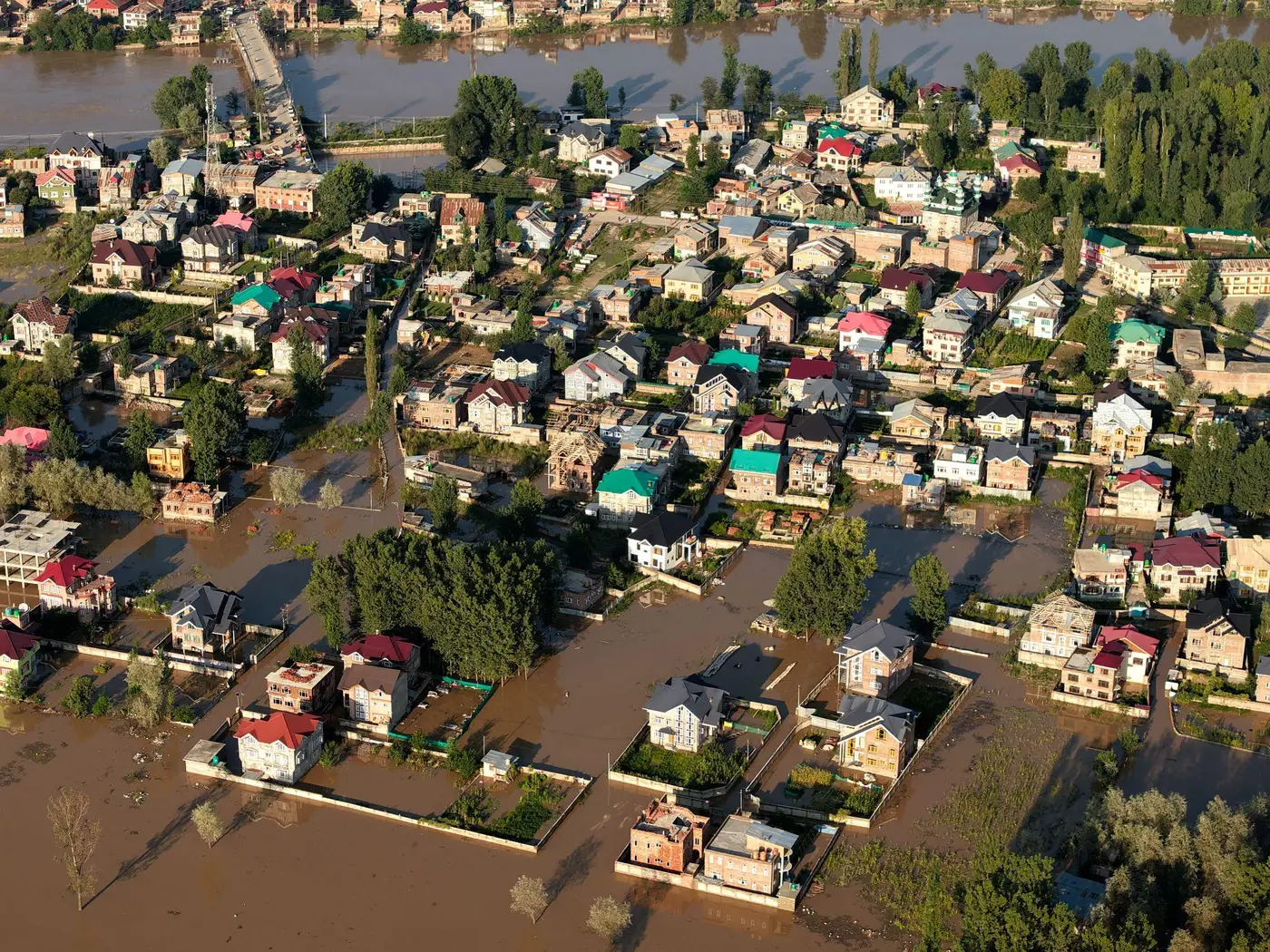
Beyond indoor plumbing, properties are constantly at the mercy of the weather. Storms don’t care about the structural integrity of your roof or the slope of your yard. Flash floods, torrential downpours, and rapid snowmelt frequently push groundwater into basements and crawlspaces. Even areas that don’t historically flood are seeing a rise in sudden, severe weather events that overwhelm local municipal drainage systems. When a neighborhood floods, the water brings in mud, debris, and dangerous contaminants. Regular homeowners simply don’t have the industrial pumps or commercial-grade dehumidifiers required to dry out a soaked basement before rot sets in. The restoration industry stands as the first line of defense against the elements, providing the specialized equipment and expertise necessary to reclaim a home from nature’s grip.
The Silent Threat of Mold
One of the biggest reasons this industry remains vital is what happens after the initial flood recedes. Moisture trapped behind drywall, under floorboards, or inside insulation creates a perfect breeding ground for mold. Fungal spores can take hold in as little as forty-eight hours. If a homeowner tries to clean up a spill with just a few bath towels and a box fan, they often leave hidden pockets of dampness behind. Mold isn’t just an ugly stain on the wall; it compromises the structural integrity of the wood and poses serious respiratory risks to the people living inside. Mitigation experts use advanced thermal imaging cameras and moisture meters to find hidden dampness that the naked eye misses. Their ability to thoroughly dry a property and prevent hazardous mold growth makes their service irreplaceable.
Technological Advancements Aren’t Foolproof
We live in an era of smart homes. You can buy leak detectors that send an alert to your phone the second they sense moisture, and automatic shutoff valves that cut the main water supply when pressure drops. While these innovations are fantastic for minimizing the scale of a disaster, they don’t prevent disasters entirely. A smart sensor can’t stop a roof from leaking during a hurricane, and an automatic valve won’t help if a bathtub overflows because someone forgot to turn off the faucet. Technology itself is prone to glitches and battery failures. While smart devices might reduce the severity of some floods, they’ll never render professional cleanup crews obsolete. There will always be a mess to clean up and a structure to dry out.
Protecting Real Estate Value
A house is usually the most valuable financial asset a person owns. When a flood occurs, that investment is directly threatened. If water damage is left untreated or handled improperly, it leads to warped floorboards, crumbling drywall, and persistent odors that plummet the resale value of the property. When it comes time to sell, home inspectors easily spot the signs of amateur cleanup jobs. Hiring certified professionals ensures the property is restored to its original, pre-loss condition. Their meticulous documentation and guaranteed work give property owners peace of mind and protect their financial equity. As long as people value their real estate, they’ll happily invest in professional restoration to protect their most significant asset.
A Permanent Safety Net
The world is constantly changing, but our reliance on water and our vulnerability to it remain constant. From degrading pipes and overflowing appliances to severe storms and the looming threat of mold, indoor floods are simply an unavoidable part of homeownership. The professionals who rush in to extract the water, tear out the ruined materials, and dry the structure perform a crucial service that technology and DIY methods can’t replace. The restoration industry provides a vital safety net, helping families recover from chaotic situations and returning their homes to safe, comfortable spaces. It’s a field built on solving a permanent human problem, ensuring it will always remain a relevant and deeply necessary part of our society.