

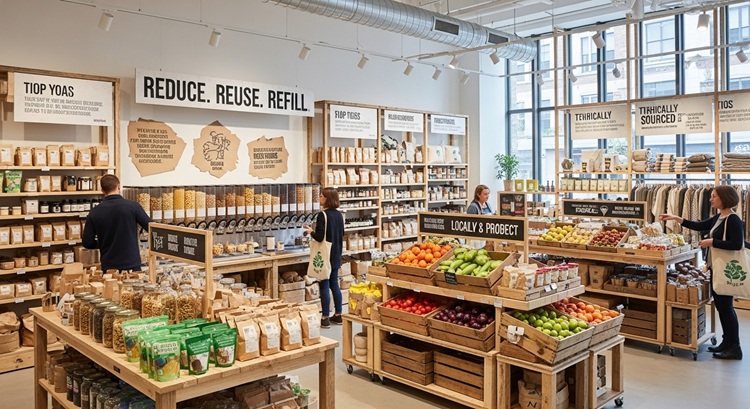
Many retailers approach sustainability as an obligation, something to be out of the way and in the streamlined way. However, this is not the way to approach it, and the real benefits are being missed out on. Sustainable practices in retail should not be seen as simply meeting the environmental regulations; rather they must be used strategically to build customer loyalty and increase revenue.
Table of Contents
The Shift From Transaction to Relationship
There’s an idea that’s catchy on paper but less appealing in practice: most green customers are fair weather. They offer an in-and-out boost when a brand’s pro-sustainability advertising catches their eye and evaporate when it’s outspent. If that were true, the organic/natural food market wouldn’t have grabbed a 9% dollar-share of the US food market and climbed 264% over 20 years.
Maybe sustainability was a preference for customers a decade ago, but for today’s Gen Z shoppers and many of your Millennial customers, it’s not. It’s a filter, pushing more loyalty, higher engagement, and bigger baskets for those that pass through it.
Packaging as a Daily Brand Touchpoint
Single-use plastic bags are being removed from retail, and that’s not happening slowly, but rather at an accelerating pace across more jurisdictions. The retailers who respond by sourcing the cheapest alternative replacement are missing the point.
A reusable tote bag that a customer takes home from the store doesn’t just signal the end of a transaction, it signals the beginning of countless others. Each time they reach for that bag, at the store, the farmers’ market, or in the car, they’re holding your brand in their hands. It’s the kind of marketing touchpoint you will pay for over a dozen times without incurring additional costs.
This is where the sourcing decision comes in. Quality and consistency across physical and digital storefronts indicate to the customer that your commitment to sustainability isn’t just skin deep. Sourcing from Bags in Bulk Canada gives retailers a way to meet all the new regulatory requirements and shifting consumer expectations without footing the bill, and feeling punished for the effort.
The logic is as follows: a reusable, durable bag used for two years becomes your brand ambassador for two years. A single-use bag, if you’re lucky, becomes landfill.
Transparency as a Retention Tool
Greenwashing has turned into an actual brand threat. Consumers have encountered so many loose “eco-friendly” statements that they’re programmed to doubt everything, and that default response penalizes merchants who don’t have the details to support their assertions.
Supply chain transparency – clearly revealing where the items are sourced, what goes into them, and their disposal – transforms that doubt into confidence. This is not about flawlessness. It is about transparency. A merchant who acknowledges and discloses their efforts toward a target is more reliable than one who insists that target has been achieved.
Eco-labels awarded by respected third-party certifying authorities (FSC, Fair Trade, etc.) offer shoppers an express lane to information. They no longer have to conduct the analysis for themselves, the certification has addressed that. This reduces friction in the buying decision and reduces doubt after it.
Making Sustainability Worth Participating in
Rewarding sustainability can have an immediate, positive impact on sales. Offering a slight discount for customers who re-order a low carbon product, or reserving special deals for customers who make a habit of declining extras, is still much cheaper than discounting across the board.
Most customers would rather earn a discount than pay full-price, but offering a discount before they’ve even bought once can also devalue the product. Eco-points are a way of keeping prices stable while giving your most loyal customers a beneficial deal, essentially offering them value instead of a discount.
Operational Consistency Matters
Retailers that operate across multiple locations or channels already have an obstacle when implementing sustainable initiatives as wholesale operations don’t feel as if they reap the benefit of the flagship store’s sales efforts. If bulk ordering them separately works out cheaper than sourcing wholesale supplies across the whole business (which, to be honest, shouldn’t be happening if the products are sensible like-for-like items), the business with the lower economies of scale will naturally trade best intentions for margin.
If the e-commerce or resale side of the business isn’t part of a wholesale sustainable supplies strategy, chances are it’s even less of a conscious decision on the part of those operations. They’ll source the most convenient and cost-efficient shipping materials that fit their budgets and go from there. Typically, there won’t be a conversation about carbon footprints in these instances unless it’s directly impacting customer sentiment.
This wouldn’t matter as much if it hadn’t become such a hot-button topic amongst consumers. Stick a big ‘100% recycled’ sticker on your flagship store’s online order and one about 50% of customers will take notice. There are fewer ways that satisfy sustainability-spurred dissatisfaction. It’s hard to argue you’ll lose customers over it; the math strongly favours sustainability-minded shopping these days and that’s only trending upward.