

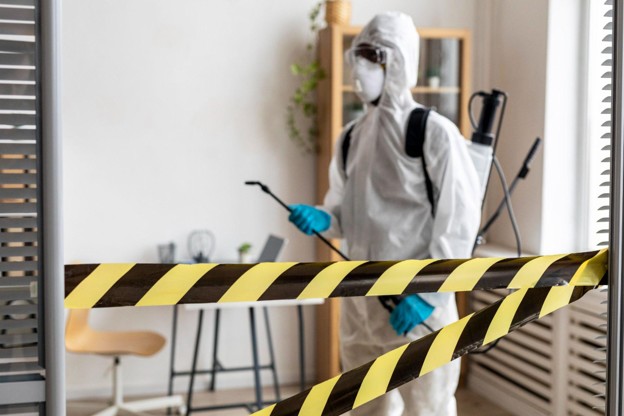
Discovering a dark, fuzzy patch on the ceiling tile above your desk or smelling a musty odor near the breakroom sink is never a pleasant experience. In a commercial office setting, indoor air quality is vital for keeping employees healthy, focused, and productive. When fungi take root in your workspace, it creates a serious health hazard that can lead to increased sick days and significant drops in team morale. Ignoring the problem will only allow the spores to spread through the ventilation system, compromising the entire floor. The moment you spot the warning signs, swift and decisive action is required to protect your staff and your property. Bringing in professionals for commercial mold remediation is the safest way to ensure the hazard is removed properly. However, before the experts arrive, there are several important steps you must take to contain the situation and keep your workplace safe.
Table of Contents
Isolate the Affected Area
The very first thing you need to do is limit exposure. If you find growth in a specific conference room, supply closet, or restroom, close the doors immediately and restrict access to that space. Do not allow employees to enter the room to look at the damage. If the growth is out in the open on the main floor, rope off the area or place physical barriers to keep foot traffic away. Every time someone walks past a fungal colony, the air currents they create can launch thousands of microscopic spores into the surrounding environment. By isolating the space, you reduce the risk of those spores traveling to clean areas of the office and being inhaled by your coworkers.
Inform Building Management and Maintenance
Unless you own the building outright, you must notify your property manager or landlord the moment you verify the presence of an infestation. Commercial leases usually outline specific protocols for dealing with structural issues and biohazards. Your building manager needs to know about the situation so they can dispatch their own maintenance personnel to assess the structural integrity of the affected area. Additionally, if the building shares a centralized heating and cooling system, the management team must inspect the ductwork to ensure spores have not traveled to other companies leasing space on different floors.
Turn Off the HVAC System
If the growth is located near a ventilation duct, or if you suspect the moisture is coming from the air conditioning unit itself, you should shut down the climate control system for that specific zone. Heating and cooling systems are incredibly efficient at circulating air, which means they are also incredibly efficient at distributing harmful spores throughout an entire office building. Keeping the air conditioning running while you have an active infestation is a recipe for a widespread contamination event. While turning off the air might make the office slightly uncomfortable for an afternoon, it is a necessary precaution to stop the spread of airborne particulates.
Resist the Urge to Clean It Yourself
When an office manager sees a spot of mildew on a baseboard, their first instinct is often to hand a bottle of bleach and a sponge to the janitorial staff. You must avoid doing this under all circumstances. Commercial cleaning crews are excellent at sanitizing breakrooms and taking out the trash, but they are rarely trained or equipped to handle hazardous biological materials. Scrubbing a dry fungal colony without the proper negative air pressure systems and personal protective equipment will only agitate the spores, making the air quality significantly worse. Leave the physical removal process entirely to certified professionals who have the industrial-grade tools required to extract the hazard safely.
Identify the Hidden Moisture Source
Fungi cannot survive without a steady supply of water. While you wait for the remediation team to arrive, try to determine where the moisture is originating, provided you can do so safely without disturbing the colony. Look for obvious signs like a dripping pipe under the kitchen sink, a water stain spreading across the ceiling tiles, or condensation pooling around a poorly insulated window. Identifying the water source is a critical piece of the puzzle. If the professionals remove the biological hazard but the underlying plumbing leak is never repaired, a new colony will simply grow back in the exact same spot a few weeks later.
Communicate Clearly With Your Employees
Transparency is an essential part of dealing with workplace health hazards. Rumors spread quickly in an office environment, and keeping your staff in the dark will only lead to panic and distrust. Send out a clear, calm communication to your team explaining that an issue was discovered, the area has been safely secured, and professionals have been hired to resolve the problem. If anyone works near the affected zone, relocate their desks temporarily to another part of the building or allow them to work from home until the area is cleared. Providing regular updates reassures your team that management takes their health and safety seriously.
Document the Damage for Insurance Purposes
Before the cleanup process begins, take a few moments to document the extent of the damage. Take clear photographs of the affected walls, ceilings, and any ruined office furniture or equipment. You should also keep a detailed written record of when you first noticed the issue and any steps you took to mitigate the water damage. Commercial property insurance policies can be complex, and having a thorough record of the incident will make filing a claim much smoother. Provide copies of these photographs and notes to both your insurance adjuster and your property manager to ensure everyone is on the same page regarding the scope of the repairs.