

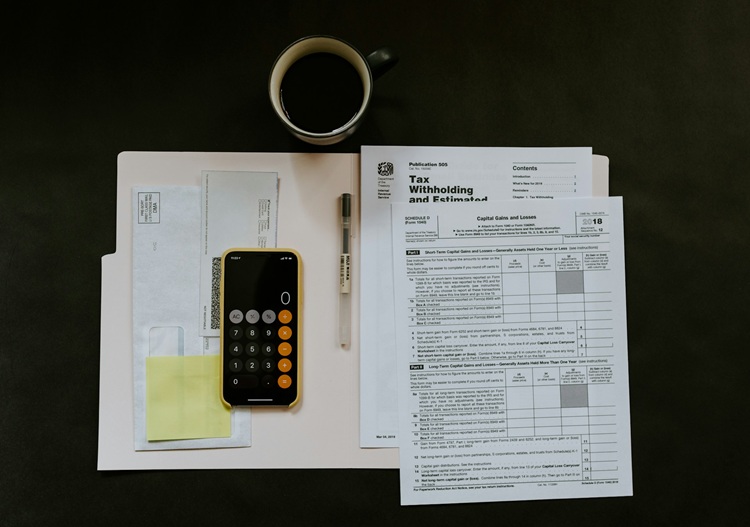
Once tax season wraps up, many small business owners shift focus back to daily operations and put taxes out of mind. That pause can feel earned, but it often leads to avoidable mistakes that quietly build over time. Staying proactive, sometimes with guidance from Hogan CPA Dublin, can help you avoid repeating the same problems next year.
Table of Contents
Ignoring Estimated Tax Payments
One of the most common mistakes is treating taxes as a once-a-year task. In actuality, many small business owners have to make projected payments year-round. Penalties for missing those payments can mount up quickly.
Usually, cash flow is the cause of this. Revenue is frequently reinvested in the company or used to cover urgent costs. In the end, taxes are delayed until they become inconvenient. Making a monthly tax plan is an easy solution. You stay organized by setting aside a portion of every payment. This practice lowers stress and avoids high, unforeseen costs.
Letting Bookkeeping Fall Behind
Bookkeeping tends to lose priority once returns are filed. Receipts pile up, transactions go uncategorized, and accounts aren’t reconciled regularly. Over time, this creates gaps in your financial records.
Disorganized books make it harder to understand your business performance. You may miss deductions or overlook spending patterns that need attention. When tax season returns, the cleanup becomes overwhelming.
Staying consistent with bookkeeping solves most of these issues. Weekly or biweekly updates keep everything accurate. Clean records also make financial decisions easier throughout the year.
Failing to Adjust for Income Changes
Business income is rarely stable, especially for growing companies. A strong quarter or a new client can increase earnings faster than expected. If your tax strategy doesn’t adjust, you may fall behind.
Many owners rely on last year’s numbers when planning. That approach works only if your income stays the same, which is rarely the case. Growth often brings a higher tax obligation. Reviewing your numbers midyear keeps things aligned. You can update estimates and set aside the right amount. This prevents surprises when it’s time to file.
Overlooking Deductions Until It’s Too Late
Deductions are often treated as something to figure out at year-end. That approach increases the risk of missing valuable write-offs. If expenses aren’t tracked properly, they can’t be claimed accurately.
Certain deductions require preparation. Equipment purchases, travel costs, and workspace expenses need proper documentation. Waiting too long makes it harder to gather everything you need. Tracking expenses as they happen makes a big difference. It ensures nothing gets overlooked. You also gain a clearer view of how your business operates financially.
Waiting Too Long to Adjust Your Strategy
Another common issue is sticking with the same tax approach all year. Business conditions change, and your strategy should change with them. Waiting too long limits your ability to respond.
Adjustments made early are easier to manage. You have more time to spread out payments or take advantage of deductions. Late changes often feel rushed and less effective. Working with professionals like Hogan CPA Dublin can help you stay on track. Regular check-ins allow you to refine your approach. That ongoing support leads to better outcomes.
Mixing Personal and Business Finances
Blending personal and business money will cause some confusion very fast. It might work well at first, but in the long run, it gets really hard. When you mix personal and business money, you run the risk of missing out on certain deductions. It also makes organizing and preparing documentation much harder and takes longer. Making sure that personal and business money are not commingled is a relatively simple way to address this issue.
Failing to Track and Plan for Cash Flow Seasonality
Many small business owners fail to consider how their tax responsibilities are impacted by seasonal fluctuations in income. While some months have high revenue, others are slower and less consistent. It’s simple to miss paying taxes on time if you don’t prepare for those changes.
When periods of strong earnings aren’t balanced with appropriate savings, this becomes an issue. Extra money may be spent or reinvested without accounting for the associated taxes. There might not be enough money saved to pay the bills during the slower months.
There is a discernible difference when you plan beforehand. Putting money aside during prosperous months builds a safety net for slower times. This strategy reduces financial strain year-round and maintains consistency in your tax payments.
Waiting Until Year-End to Review Financials
Delaying financial reviews until the end of the year is another common mistake many entrepreneurs make. By then, there is limited opportunity for change because most decisions have already been made. Your options are restricted by this reactive strategy.
You have greater control when you check in regularly throughout the year. While there is still time to take action, you may identify patterns, address problems, and make better choices. Instead of being a last-minute chore, it transforms financial management into a continuous activity. A straightforward monthly evaluation can have an impact. Everything is obvious when revenue, expenses, and tax responsibilities are examined. Being aware of this helps you avoid being unprepared.
Conclusion
In the end, staying on top of estimated tax payments comes down to keeping up with changes in your income. What worked last year doesn’t always hold up, and falling behind can lead to unnecessary penalties. The IRS expects taxes to be paid as you go, so making adjustments along the way can save you from added costs later. For freelancers and business owners especially, checking in on those numbers throughout the year can make a big difference when it’s time to file.