


Tax invoices in the UAE must follow specific rules. The Federal Tax Authority has published detailed requirements for what information must appear, where it must appear, and how it must be formatted. Get it wrong and your invoices aren’t valid. Your customers can’t claim input VAT. Your business looks unprofessional. The FTA might question your records.
Most businesses don’t realize their invoicing mistakes until audits reveal them. Understanding requirements now prevents problems.
Table of Contents
What must appear on a tax invoice
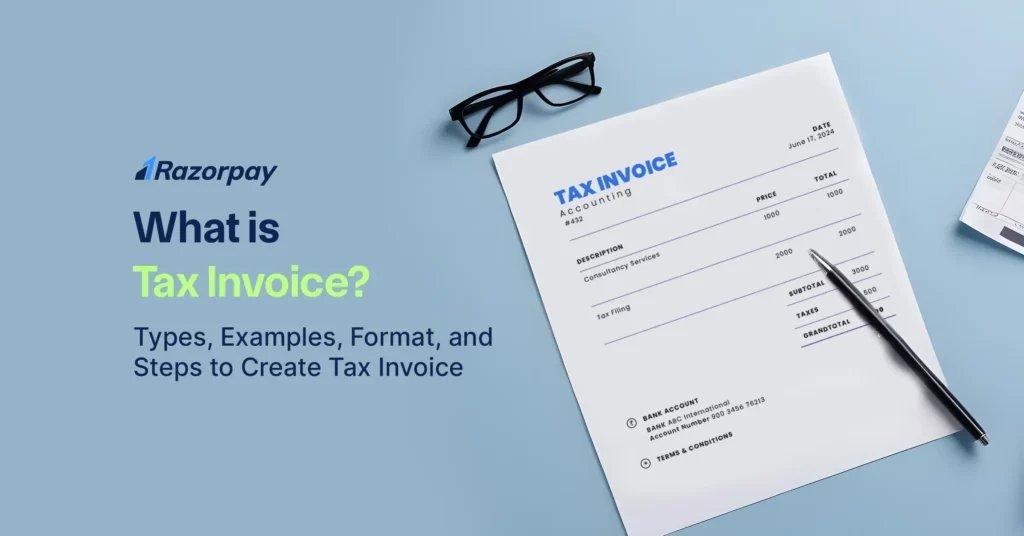
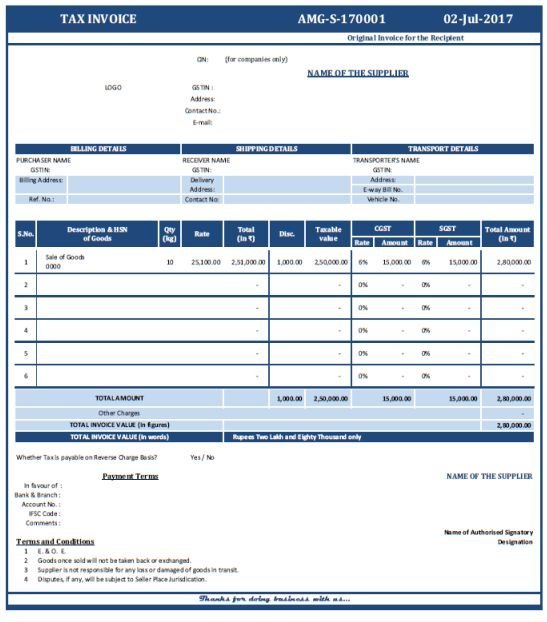
Every tax invoice must include specific information. Business name, trade license number, and UAE tax registration number must be visible. Business address must be complete. Customer name and tax registration number (if applicable) must be included.
The invoice needs a unique number that cannot be reused. Invoice date and delivery date should be shown separately if different. Service descriptions must be clear enough for anyone to understand.
Quantity and unit price show for each line item. Total before VAT, VAT amount, and total after VAT must be correct and displayed.
Simplified versus full tax invoices
Not every transaction requires a full tax invoice. The FTA allows simplified invoices for small consumer transactions, typically under 1,000 AED.
Simplified invoices need less information. You skip the tax registration number since consumers don’t have one. They’re simpler and faster to create.
However, business customers need full invoices to claim input VAT credits. Refusing to issue full invoices damages relationships and opens compliance issues.
The FTA is clear: if a business customer asks for a full invoice, you must provide one. Using simplified invoices when full ones are required is non-compliant.
Common mistakes include including logos that interfere with reading. Keep invoices clean. Some fail to differentiate between VAT-exempt and VAT-charged items. Rounding errors happen often—tax amounts must be precise. Many invoices lack proper numbering sequences. If invoice 100 is issued then invoice 102 appears without 101, the FTA notices. Sequential numbering is mandatory.
Using automated systems for compliance
Manual creation creates errors. Someone forgets tax numbers. Someone miscalculates VAT. One mistake per week means hundreds of errors annually.
Automated invoice generation that meets UAE tax invoice format eliminates these risks. The system validates every invoice before generation. It enforces sequential numbering. It calculates VAT correctly.
The system stores invoices properly. Retrieve any invoice in seconds. During audits, this shows compliance seriousness.
The Federal Tax Authority publishes detailed guidelines regularly. Automated systems stay current.
Manual invoicing is becoming obsolete. Get ahead with skrooge.ai. Your invoices will be correct, records clean, and audits stress-free.