

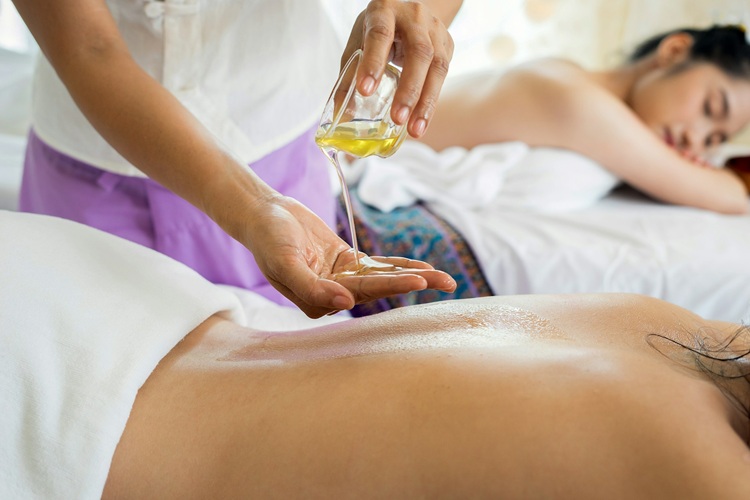
To the outside world, a spa is a sanctuary of calm. It’s an oasis of soft music, cucumber-infused water, and a blissful escape from a stressful week. But for the entrepreneur who runs it, a spa is one of the most complex and demanding businesses to operate. It’s a high-touch, high-trust, and high-overhead operation where your “product” is an intangible feeling of well-being.
This is especially true for the new wave of modern, medically-adjacent clinics. Running a successful hydration spa, for example, involves a level of medical compliance, specialized staffing, and advanced technology that a simple day spa never has to consider.
A successful spa isn’t just built on good intentions and a relaxing playlist. It’s a complex machine. Pulling back the curtain reveals a business built on several critical, non-negotiable components. For any entrepreneur in the wellness space, mastering these “back-of-house” components is the only path to a profitable and sustainable “front-of-house” experience.
Here’s a look at the essential business components that factor into running a successful spa.
Table of Contents
1. Service Menu
Your menu of services is the engine of your entire business. It dictates your staffing, your equipment costs, your physical layout, and your marketing. The most common mistake new spa owners make is trying to be everything to everyone, offering a massive, unfocused menu of waxing, facials, massage, and more. A successful spa is often built on specialization.
- Defining Your Niche: Are you a high-volume “maintenance” spa (e.g., massages, basic facials)? Are you a high-tech “results” spa (e.g., IV therapy, laser treatments)? Or are you a luxury “escape” spa (e.g., destination-style day spa)?
- Profit vs. Labor: Your service menu is a financial tool. You must analyze the “profit-per-hour” of each service. A 60-minute facial might have a higher profit margin (due to lower labor costs and higher product markup) than a 60-minute deep-tissue massage that requires a highly-paid, physically-taxed therapist.
- Streamlining Your Brand: A specialized menu like one focused on IV hydration and wellness shots creates a clear, strong brand identity that is much easier to market.
2. Licensed Professionals
In a service business, your people are the product. A client’s entire experience, and their decision to return, rests almost 100% on the skill, professionalism, and demeanor of your team. This is your single most important asset, and it’s a major operational component.
- Specialized, Licensed Staff: You can’t hire a “friendly” person and train them on the job. Your business is built on a foundation of licensed professionals: estheticians, massage therapists, and, for medspas, registered nurses or nurse practitioners. This creates a high barrier to entry and a significant, ongoing payroll cost.
- Training and Consistency: A client must get the exact same high-quality “Signature Facial” whether they book with Sarah on a Tuesday or with David on a Saturday. This requires a massive, ongoing investment in training and standardized protocols.
- Internal Culture: Your team is your front line. If your staff is burnt out, underpaid, or stressed, your clients will feel that energy. A positive, supportive internal culture is not “fluff”; it is a critical business component that directly impacts the customer experience.
3. Licensing and Compliance
This is the “unseen” component that protects your entire business. A spa is not a retail shop; you are working on the human body, and the legal and compliance burden is immense.
- Health and Safety: This is the baseline. From state cosmetology board sanitation rules for footbaths to HIPAA (Health Insurance Portability and Accountability Act) protocols for a medspa, your adherence to these rules is a matter of law. A single, critical compliance failure can shut you down.
- Professional Liability: A standard “slip-and-fall” insurance policy is not enough. You must carry specialized professional liability insurance.
- Medical Oversight: For any service considered “medical,” such as IV drips or cosmetic injections, a business must have a formal relationship with a medical director (MD) to oversee protocols and ensure safety.
4. Back-of-House Technology
For a spa to feel serene and effortless on the front end, its hidden side must be a model of high-tech efficiency.
- The Booking Software: This is your #1 sales tool. The system must be simple, intuitive, and accessible 24/7. A clunky, hard-to-use booking website is the fastest way to lose a customer before they even walk in the door.
- Inventory Management: Spas have a high “cost of goods sold” (COGS). You are using expensive, professional-grade serums, oils, and, in the case of a hydration spa, medical supplies. Your software must be able to track every single drop to manage your inventory and ensure profitability on every service.
- Client Relationship Management (CRM): Your system must be a “memory” for your business. It should track your clients’ preferences, their allergies, their past services, and their birthdays. This data is what allows you to personalize their experience and build a real, long-term relationship.
5. The Physical Environment
A spa is a physical experience. Your client is paying to be somewhere else. Your physical environment is not just a “location”; it is a core part of your brand and your service.
- Ambiance: This is a non-tangible but critical asset. The “sensory” details the subtle, signature scent of the lobby, the specific, curated “chill” playlist, the dim, warm lighting are not accidents. They are deliberate, engineered choices designed to begin the relaxation process the moment a client walks in.
- Flow and Privacy: The layout is a business tool. The check-in desk must be separate from the “quiet” lounge. The treatment rooms must be 100% soundproofed. The flow from the locker room to the treatment area must be intuitive.
Running a spa is a true balancing act. It’s a constant, daily fusion of soft-skill hospitality and hard-skill business management. But by mastering these core components, you can build a resilient, profitable, and deeply rewarding business that makes a real difference in your clients’ well-being.