

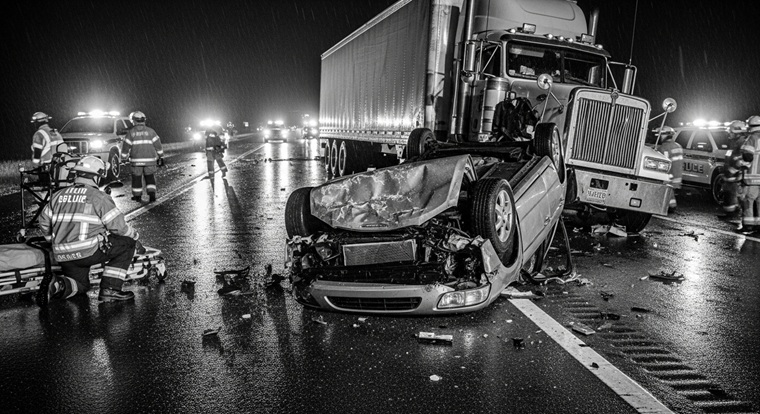
Catastrophic injuries may alter the life of an individual within a second and, in most cases, lead to physical, emotional, and financial difficulties, which may be long-term or permanent. Such injuries include traumatic brain injuries or spinal cord damage, or severe burns, which are usually accompanied by long-term medical treatment, rehabilitation, and massive lifestyle changes. To victims and their families, the post-event can become overwhelming as they deal with complicated medical requirements as well as contend with growing costs and doubts about the future. Having the help of decent legal advice, like a Catastrophic Injury Lawyer, people might become more knowledgeable about their rights and the possibilities of pursuing compensation.
The strategy of seeking a claim of a catastrophic injury is usually more detailed and strategic than other personal injury cases. These assertions should not only cover the immediate medical expenses but also the long-term care, loss of earning power, and the general effect on quality of life. Insurers can also seek to reduce compensation awards, and it is necessary to develop a solid case with medical evidence and witness testimony. Through the appropriate legal assistance, victims will be able to concentrate on recovery as they strive to get the financial resources necessary to maintain their continuous care and to restructure their lives.
Table of Contents
Types of Catastrophic Injuries
Catastrophic injuries are extreme, and in most cases, they lead to long-term disability or permanent impairment. These are normally severe injuries that demand a lot of medical care and may greatly change a person in terms of independent living or going back to work. Their severity has led to the fact that they frequently entail intricate legal and medical aspects in seeking compensation.
Normal forms of disastrous injuries include:
- Traumatic brain injuries (TBI)
- Paralysis and spinal cord injuries.
- Serious burns and disfigurement.
- Amputations or loss of limbs.
- Several fractures or damage to organs.
Knowledge of the nature of these injuries will aid in highlighting the type of care and support that the victims might need throughout their lives.
Typical Causes of Disastrous Injuries
The injuries can be disastrous in the most varied circumstances, and they may be a result of carelessness or hazardous environments. It might be a serious car crash, an incident at work, or a faulty product, but such incidents can have a devastating impact on their victims and their families.
Some of the causes are:
- Motor vehicle accidents
- Accidents at work or on the construction site.
- Medical malpractice
- Defective products
- Slip and fall accidents.
Determining the cause of the injury is an important aspect in establishing liability and a viable case.
Catastrophic Injury Life Care Planning
Life care planning is an important element of dealing with disastrous injuries as it describes long-term medical and personal demands of the victim. Medical and rehabilitation specialists usually work out these plans, evaluating the state of the person and forecasting which care needs to be provided in the future. An effective life care plan will make sure the victims get proper and regular assistance in their lives.
A life care plan can consist of:
- Continued medical care and treatment.
- Mobility aids and assistive devices.
- Home care or personal care.
- Surgical procedures or intervention in the future.
The detailed plan is not only beneficial to the quality of life but is also a vital piece of evidence in calculating the compensation during a legal claim.
Cost of Long-term Care and Support
Disastrous injuries are usually accompanied by huge financial expenses, especially when long-term care is involved. These expenses can go way beyond the initial hospital expenses and can encompass ongoing treatment, specialized devices, and residential adaptations. To most families, these costs may be very difficult to handle without the appropriate compensation.
Long-term care expenses can include:
- Rehabilitation and therapy.
- Home healthcare services
- Assistive technology and medical equipment.
- Adaptations to living areas.
It is critical to understand the magnitude of such costs in trying to get compensation that considers both the present and future demands.
Impairment of Earning Capacity and Career
The effect of catastrophic injury on an individual in terms of workability is one of the greatest consequences. Victims do not necessarily go back to their former jobs, or they can be restricted in some way that diminishes their ability to earn. This loss may come with long-term financial consequences for the person and family.
Key considerations include:
- Lack of ability to revert to former jobs.
- Need for career retraining or alternative work
- Fewer working hours or productivity.
- Permanent disability of the income.
Lost earning capacity is a critical aspect of fair compensation that has to be calculated correctly.
Role of Family and Caregivers
Relatives tend to be very important when working with victims of devastating harm. They can assume duties like caregiving, medical appointments, and giving emotional support. This help is priceless, but it may also cause an enormous burden on family relationships and budgets.
The caregiver roles can be:
- Helping with activities of daily living.
- Arranging medical attention and treatments.
- Providing emotional support
- Financial/legal management.
It is necessary to recognize the contributions and struggles caregivers undergo in the assessment of the entire effects of the injury.
How a Catastrophic Injury Lawyer Can Help
The services of a catastrophic injury lawyer can offer the necessary assistance throughout the whole legal process to assist the victim in navigating the complicated claims and seeking reasonable compensation. Their practice enables them to deal with complex legal and medical information and represent the most favorable outcome.
A lawyer can assist by:
- Conducting thorough investigations
- Collection and arrangement of evidence.
- Collaborating with medical and financial professionals.
- Bargaining with insurance companies.
- Providing court representation, where necessary.
A lawyer might also assist in making sure that all the damages are calculated in a proper manner, including the long-term medical care, lost earning capacity, and non-economic losses (pain and suffering). This holistic strategy can ensure that victims do not take low settlement packages that cannot give them the actual price of their injuries.