
How Undiscovered Underground Storage Tanks Can Create Major Liability for Commercial Property Buyers

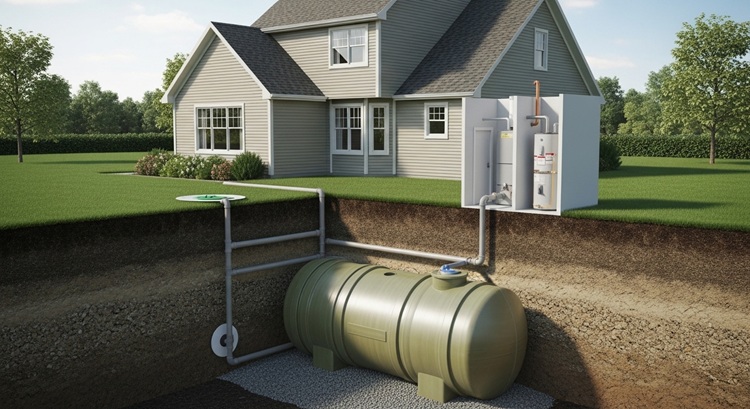
Hidden risks can turn a promising commercial property into a costly mistake. Underground storage tanks are one of the most overlooked environmental concerns. Phase 1 environmental inspections often help uncover these issues before a deal moves forward.
Table of Contents
What Are Underground Storage Tanks and Why Do They Matter
Underground storage tanks were commonly used to store fuel, oil, and chemicals. Many older properties still have tanks buried beneath the surface, even if they are no longer in use. These tanks can deteriorate over time and leak harmful substances into the soil.
Buyers may not realize a tank exists until problems arise. Leaks can lead to contamination that affects both the property and the surrounding areas. This underscores the importance of early detection in any transaction.
How Tanks Go Undiscovered
Underground tanks are easy to miss during a standard property walkthrough. They are often buried and may not be documented in current records. In some cases, past owners removed visible equipment but left the tank behind.
Properties with long or unclear ownership histories carry a higher risk. Older commercial sites are especially vulnerable to this issue. Without proper investigation, these hidden tanks can remain unnoticed until after purchase.
The Role of Due Diligence
Due diligence is the process that helps buyers uncover risks tied to a property. It involves reviewing records, inspecting the site, and understanding past uses. This step is critical when evaluating environmental concerns.
Buyers who take due diligence seriously are better protected. They gain insight into potential liabilities before committing to a deal. This reduces the chances of surprises later.
Identifying Historical Property Use
Looking into a property’s past can uncover details that are not obvious today. Sites that once operated as gas stations, industrial spaces, or repair shops often used underground tanks. Even if the property has been updated, traces of those systems can remain.
Checking old maps and records can help piece together how the land was used. These sources often point to activities that suggest a higher risk of buried tanks. With that information, buyers can decide if a closer inspection is needed.
Tools Used to Detect Hidden Risks
Environmental professionals rely on established tools to identify potential concerns. A phase 1 environmental site assessment is commonly used to evaluate historical use and site conditions. It helps flag the possibility of underground tanks based on available evidence.
Phase 1 environmental inspections also play a key role in this process. They combine site observations with record reviews to build a clearer picture of risk. These tools allow buyers and lenders to make informed decisions before moving forward.
Financial Impact of Undiscovered Tanks
Hidden underground tanks can lead to serious financial consequences. Cleanup efforts for contamination can be expensive and time-consuming. These costs can quickly reduce the value of an investment.
In some cases, buyers may need to halt development plans. Delays can increase holding costs and affect projected returns. Identifying risks early helps avoid these financial setbacks.
Legal Liability for Property Owners
Owning a property with a leaking underground tank can quickly turn into a legal problem. Environmental laws often hold the current owner responsible for contamination, even if it happened years ago. This can lead to fines or cleanup requirements that must be addressed before anything else.
These issues can also make it harder to sell or refinance the property. Buyers and lenders tend to pull back when environmental concerns are still unresolved. Knowing about these risks early can help avoid serious complications later.
Preventing Deal Disruptions
Undiscovered tanks can disrupt transactions at any stage. If found late, they can delay closing or lead to renegotiation. In some cases, deals may fall apart entirely.
Early investigation helps keep transactions on track. Buyers can address concerns before they escalate. This creates a smoother and more predictable process.
Strengthening Buyer Confidence
When environmental risks are brought to light early, buyers can make decisions with more certainty. They have a clearer understanding of what they are taking on and can plan for any potential issues. This helps remove doubt from the process.
Having clear details also improves communication with lenders and other stakeholders. Everyone is working with the same information and expectations. That shared clarity makes it easier to move the deal forward smoothly.
Long-Term Investment Protection
Addressing risks associated with underground tanks is not just about closing a deal. It also protects the property’s long-term value. Contamination issues can limit future use and reduce market appeal.
Buyers who take the time to investigate early are better prepared for ownership. They can manage risks and avoid unexpected challenges. This leads to stronger and more stable investments.
Final Thoughts
Underground storage tanks can create serious liability for commercial property buyers if left undiscovered. Careful due diligence helps uncover these risks before they impact a transaction. Phase 1 environmental inspections remain a valuable tool for identifying hidden concerns and protecting long-term investments.